Insecta

Zombie Spiders
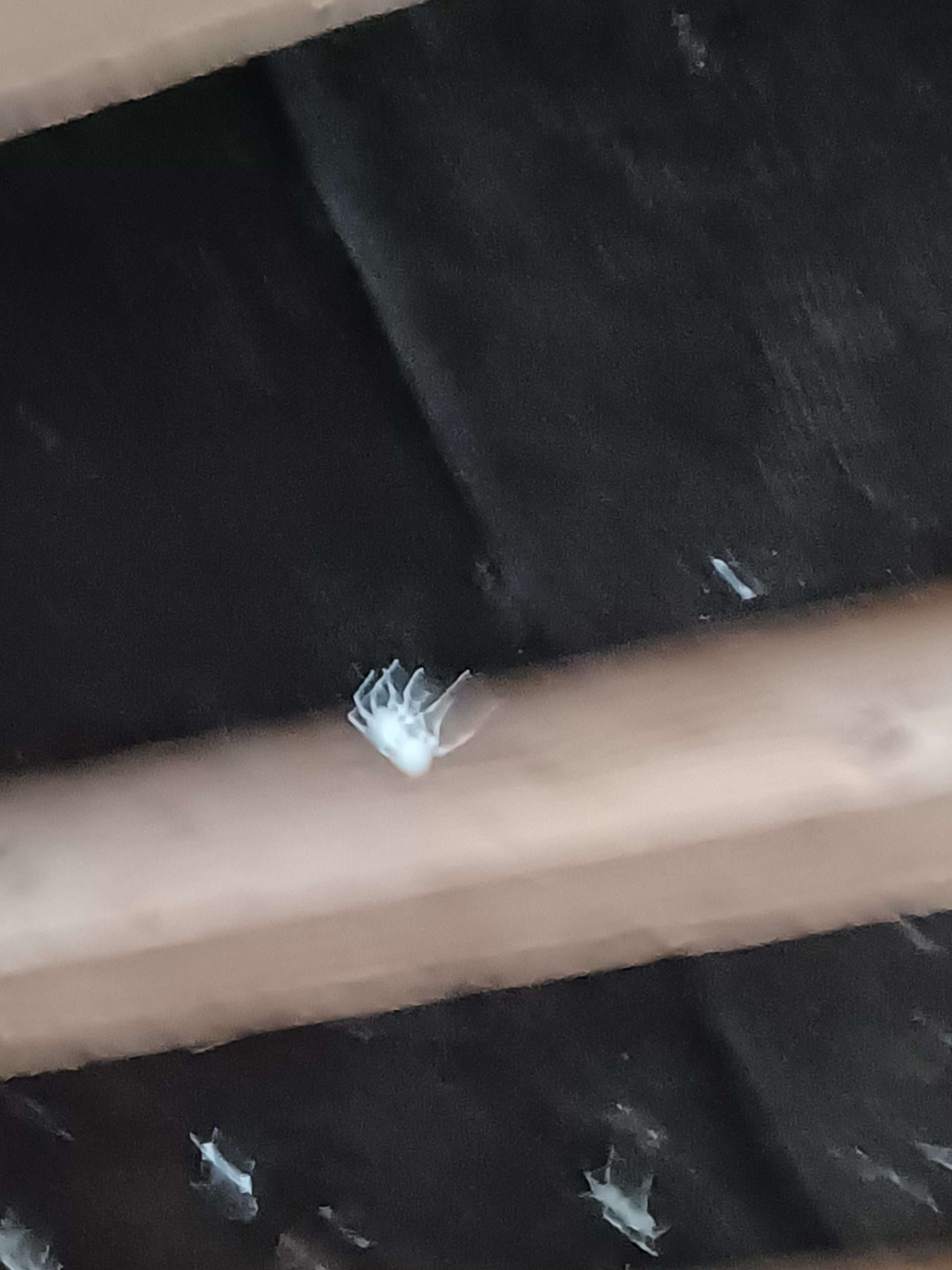
These are actually ordinary long bodied cellar spiders (family Pholcidae), but have been taken over, and killed by a white fungus. Probably a type of Engyodontium. This sounds rather like a horror story but the fungus ‘takes over’ the spiders and leaves a dead, white husk – ours were all dead when I found them but it seems that during the take-over the spiders can still move around and are more akin to zombies! Nature is so strange… I dissected one and there is no spider left.
Glow Worms
Glow worms (Lampyris noctiluca) Glow worms (Lampyris noctiluca) are actually beetles! Females cannot fly but set off this brilliant glow (bioluminescence) to attract the flying males. They have a two-year lifecycle so their few days of glowing are nearly the end of their lives. They will lay their eggs if they successfully mate and then die. We have been really lucky to have them in both our gardens in the South of England. The environment has to be just right for them to be successful. You may find them if you are walking at the right time of night, June…
Meadow Brown Butterfly
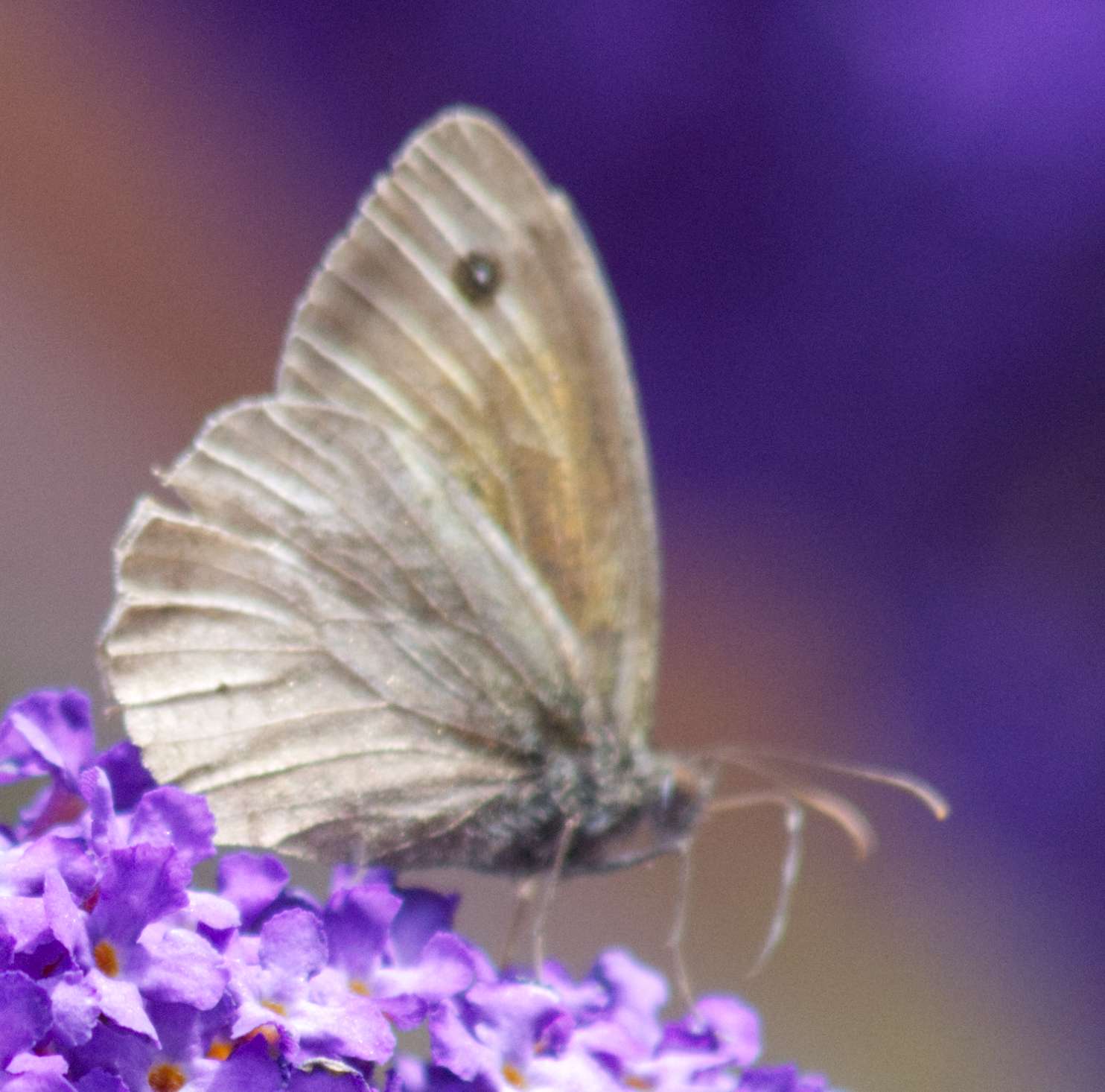
This year has been really bad for butterflies, with The Big Butterfly Count indicating that the average number of butterflies seen fell to 7 (12 the previous year) with many species showing over 50% decline. Certainly we only saw a few this year, unlike previous years where our Budlejas have attracted multiple butterflies at each count. The Meadow Brown (Maniola jurtina) is one of the most common and widespread butterflies in Europe and parts of Asia. It is often found in a variety of habitats, particularly in grassy areas like meadows, fields, and parklands, hence its name. However, this year…