Insecta, Nature / January 20, 2025 / 1 minute of reading
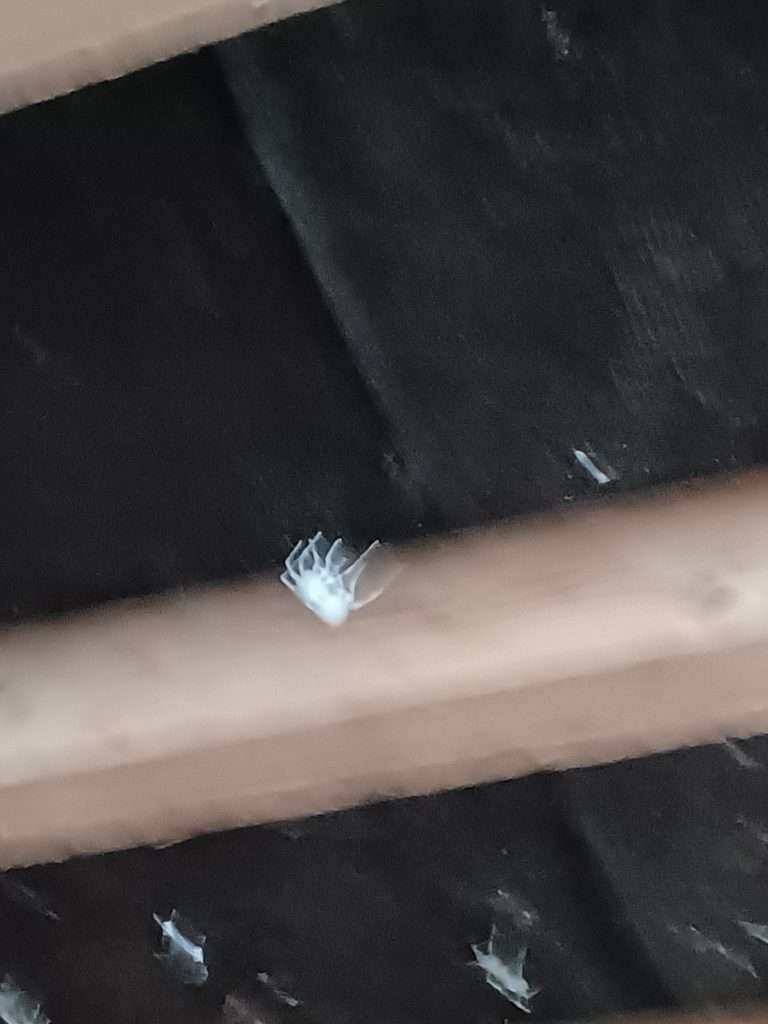
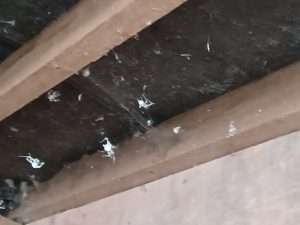
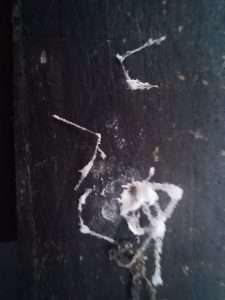
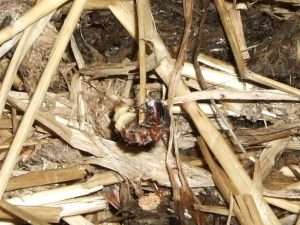
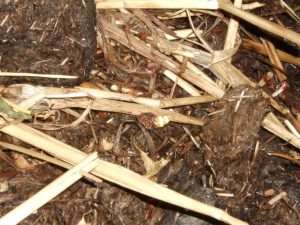
These are actually ordinary long bodied cellar spiders (family Pholcidae), but have been taken over, and killed by a white fungus. Probably a type of Engyodontium. This sounds rather like a horror story but the fungus ‘takes over’ the spiders and leaves a dead, white husk – ours were all dead when I found them but it seems that during the take-over the spiders can still move around and are more akin to zombies! Nature is so strange…
Landscapes / October 13, 2024 / 1 minute of reading
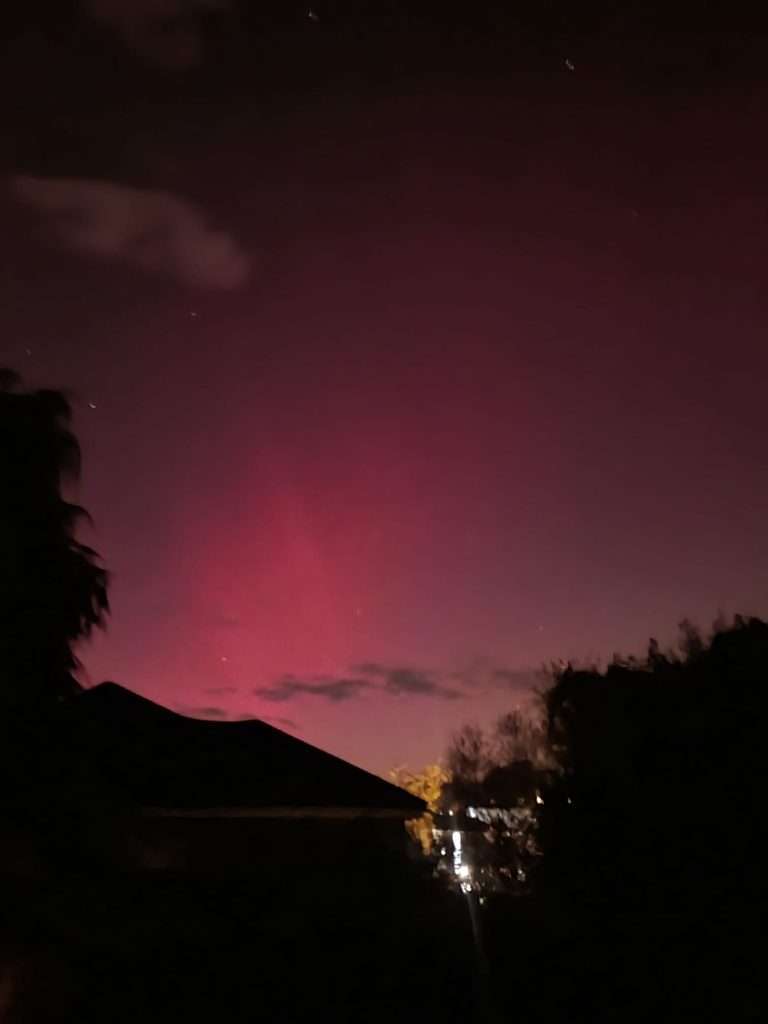
2024 has been a good year for viewing Aurora even in the South of England. These were taken on 11th October. Some of this could be seen with the naked eye, but a good mobile phone will pick up more of the colour. My daughter took this one with her Samsunt. I suspect I will have some more to post soon – going to try with my canon camera next time.
Insecta / September 28, 2024 / WildLife / 2 minutes of reading
Glow worms (Lampyris noctiluca)
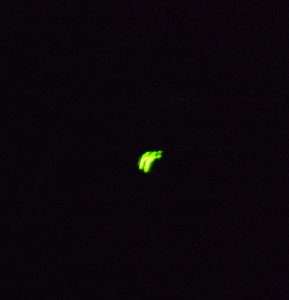
Glow worms (Lampyris noctiluca) are actually beetles! Females cannot fly but set off this brilliant glow (bioluminescence) to attract the flying males. They have a two-year lifecycle so their few days of glowing are nearly the end of their lives. They will lay their eggs if they successfully mate and then die. We have been really lucky to have them in both our gardens in the South of England. The environment has to be just right for them to be successful. You may find them if you are walking at the right time of night, June and July being the best time of year. I first realised we had them when I saw what I first thought was a discarded battery light – then got closer…
About Glow-worms
They do not like to be disturbed and will crawl further down the grass blades if they catch the vibration of potential predators. So you must tread softly to get closer. They require a very natural, undisturbed environment to breed, so please no pesticides, herbicides etc.
If you get very close you can see that the green glow comes from segments on the body. If you see the glow for a few nights you will notice that the segments get ‘used up’ and the glow fades. Unfortunately, this may mean the female has failed to mate. Males cannot fly well in rainy weather so you will normally only see the females glowing on a dry night.
Good for the garden!
Guess what – the larvae eat slugs and snails. So welcome them to your garden if you are lucky enough to have them – by keeping it poison-free.
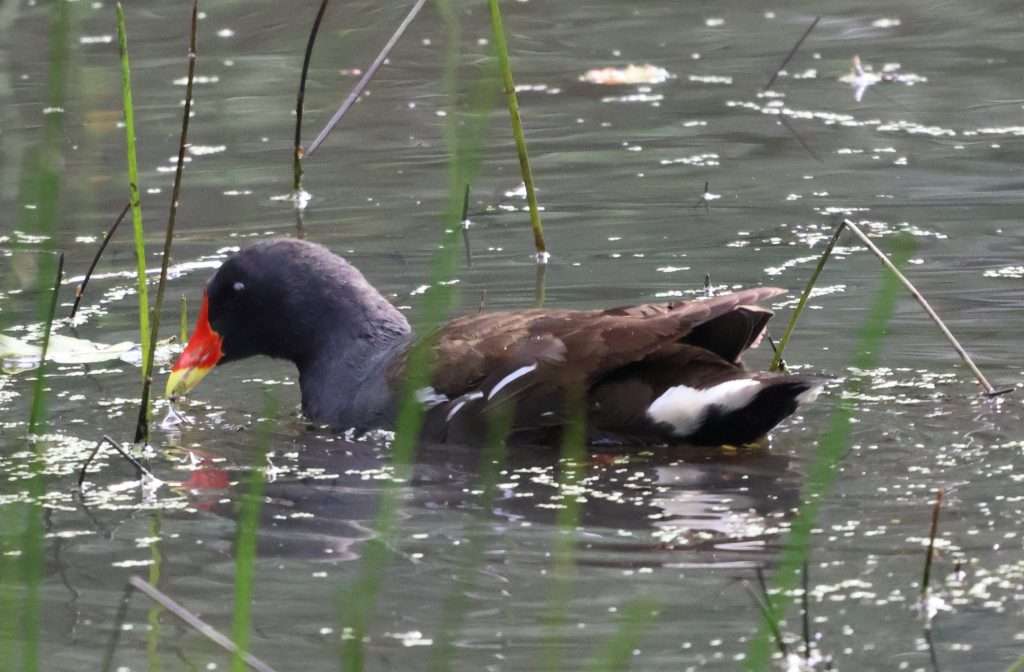
For the first time this year we have two families of Moorhens (Gallinula chloropus) living with us (as well as the Mallards). Moorhens are quite skittish, disappearing from view in a mad dash for the reeds whenever anyone or anything disturbs them. Perhaps this reason they seem to have been fairly successful. The babies do look really cute, and are now as big as their parents. All literally skim across the pond to get into hiding unless I am really quiet!
The other thing about Moorhens is their call (especially the alarm call). It actually sounds a bit like a dog toy squeeking!
Here is a bit of information about Moorhens: Moorhens, also known as Gallinula chloropus or the common moorhen, are medium-sized water birds commonly found in wetlands, lakes, ponds, and slow-moving rivers. They belong to the rail family (Rallidae) and are widespread across Europe, Asia, Africa, and the Americas.
Appearance: They have a distinctive black or dark brown plumage with a white stripe along the flanks and a red or orange bill that fades to yellow at the tip. Their legs are often a striking greenish-yellow.
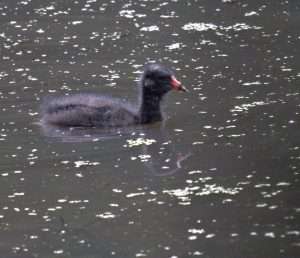
But the babys as always are ‘cryptic’ – still look cute though:
Behavior: Moorhens are excellent swimmers although when they are going at speed (which is usually their style if they see danger) they are actually paddling on the water’s surface. Despite their aquatic lifestyle, they are also good walkers and can be spotted walking on land near water bodies. Unlike many water birds, moorhens don’t have webbed feet. Instead, they have long toes that help them walk on muddy or uneven ground. (This may explain the way they seem to walk on top of the water when really in a hurry – their ‘chicken’ feet work really well at getting them across the top of the water!) In the Netherlands the common name for these birds is ‘Water Kip’ – meaning water chicken, which fits well.
Diet: They are omnivores, feeding on aquatic plants, small fish, insects, and even seeds. Moorhens are opportunistic feeders and will eat what is available, making them highly adaptable to different environments.
Nesting: Moorhens build floating nests made of reeds or other aquatic vegetation. They are protective parents and will aggressively defend their nests and young from predators. Both males and females participate in incubating the eggs and raising the chicks.
Vocalizations: They have a range of calls, including loud, sharp “kik” sounds and clucks, often heard when they feel threatened or communicate with other moorhens. In my opinion, it really does sound like a squeeky dog toy)
Moorhens are known for their resilience and adaptability, which allows them to thrive in a variety of aquatic environments, even in urban settings.