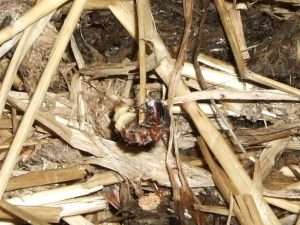
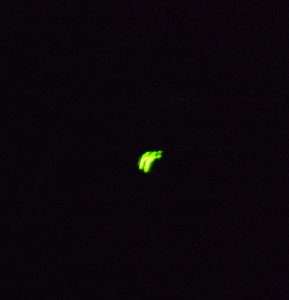
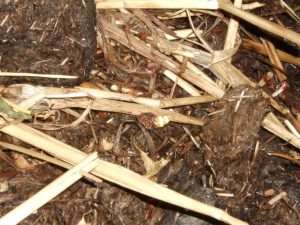
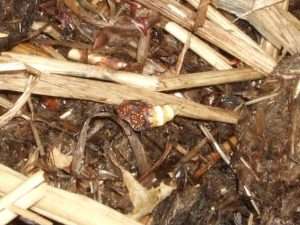
Glow worms (Lampyris noctiluca)
Glow worms (Lampyris noctiluca) are actually beetles! Females cannot fly but set off this brilliant glow (bioluminescence) to attract the flying males. They have a two-year lifecycle so their few days of glowing are nearly the end of their lives. They will lay their eggs if they successfully mate and then die. We have been really lucky to have them in both our gardens in the South of England. The environment has to be just right for them to be successful. You may find them if you are walking at the right time of night, June and July being the best time of year. I first realised we had them when I saw what I first thought was a discarded battery light – then got closer…
About Glow-worms
They do not like to be disturbed and will crawl further down the grass blades if they catch the vibration of potential predators. So you must tread softly to get closer. They require a very natural, undisturbed environment to breed, so please no pesticides, herbicides etc.
If you get very close you can see that the green glow comes from segments on the body. If you see the glow for a few nights you will notice that the segments get ‘used up’ and the glow fades. Unfortunately, this may mean the female has failed to mate. Males cannot fly well in rainy weather so you will normally only see the females glowing on a dry night.
Good for the garden!
Guess what – the larvae eat slugs and snails. So welcome them to your garden if you are lucky enough to have them – by keeping it poison-free.