
The Pickering scale for astronomical seeing

The Pickering scale quantifies astronomical visibility
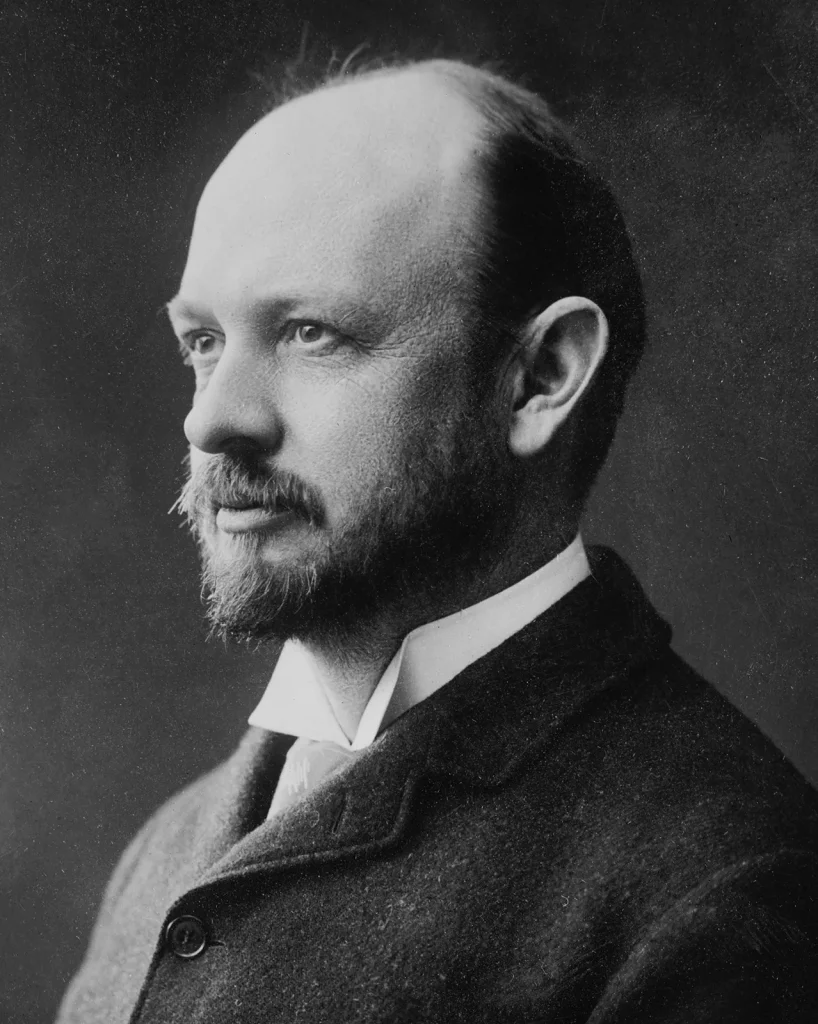
In astrophotography, the Pickering scale refers to a system used to quantify and describe the visibility of details in astronomical images. Developed an American astronomer William H. Pickering (1858–1938) of Harvard College Observatory, using a 5″ (13 cm) refractor. This scale is particularly relevant for lunar and planetary observations. The Pickering scale typically ranges from 1 to 10, with higher numbers indicating better seeing conditions and finer detail visibility.
Here’s a general breakdown below:
- P1 Star image shows around one third of the diffraction ring,
- P2 Star image sometimes 2X 13″,
- p3 star image same diameter second ring 6.7″ and has bright centre,
- p4 central airy disk visible,
- p5 airy disk always visible and arcs are sometimes seen,
- p6 airy disk always visible arcs always seen,
- p7 disk sometimes sharp with complete rings,
- P8 disk always sharp with long arcs but in motion and complete rings,
- p9 inner diffraction ring stationary outer rings momentary stationary,
- p10 complete diffraction pattern stationary.
Pickering’s scale is practically expressed as:
- Pickering 1-2: Extremely poor seeing conditions. Images appear severely blurred, with little to no detail visible.
- Pickering 3-4: Poor seeing conditions. Details are visible intermittently but atmospheric turbulence affects overall image quality.
- Pickering 5-6: Fair seeing conditions. Moderate detail is visible with some stability but the image still suffers from atmospheric disturbances.
- Pickering 7-8: Good seeing conditions. Details are clearer and more stable with less atmospheric distortion.
- Pickering 9-10: Excellent seeing conditions. Images exhibit high clarity and sharpness, allowing for fine details to be observed with exceptional stability.

Astrophotographers and astronomers often refer to the Pickering scale when assessing the quality of their observations. And determining the best times for imaging celestial objects. It helps astrophotographers gauge the atmospheric conditions and adjust their imaging setups to capture the best possible images.